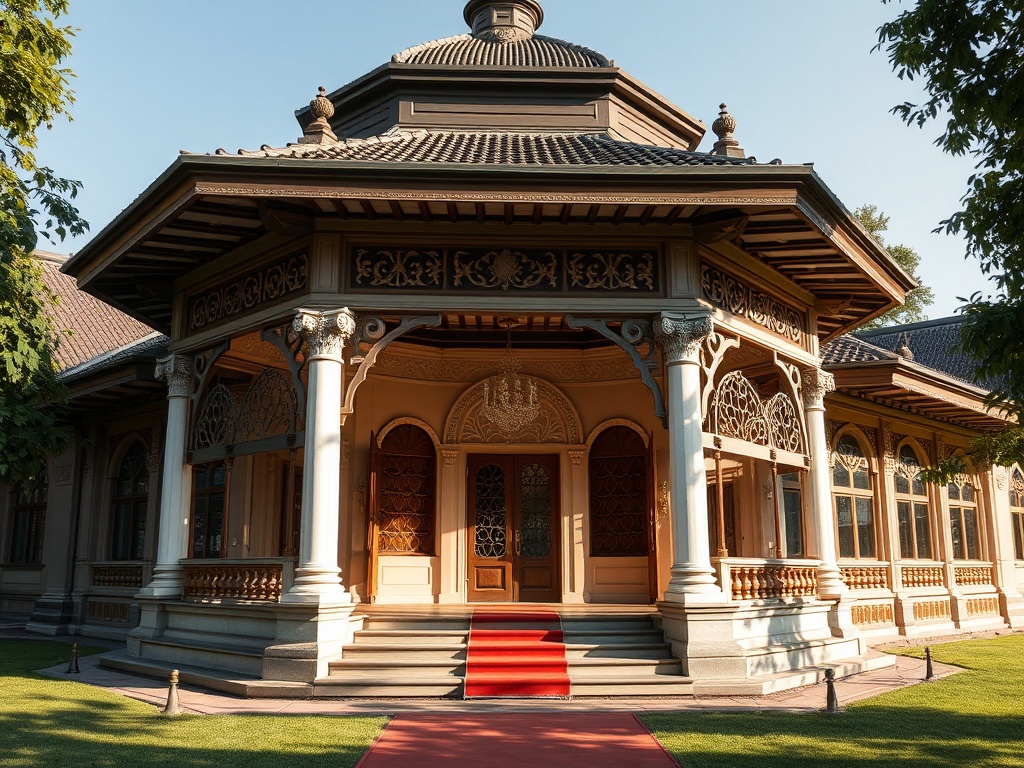
A Regal Dream in the Heart of Brighton
Nestled in the vibrant seaside city of Brighton, the Royal Pavilion stands as a dazzling symbol of architectural flair and royal ambition. Built initially as a modest lodging house for the Prince Regent—later King George IV—this extraordinary palace evolved into a stunning example of exotic opulence, blending Indian, Chinese, and classical influences.
**The Pavilion was never just a residence; it was a statement.** With its onion domes, minarets, and lavish interiors, it reflected the prince’s extravagant tastes and love for the arts and entertainment.
The Golden Age of Royal Festivities
During the early 19th century, the Pavilion became the epicenter of royal escapades and social gatherings. Lavish banquets, musical performances, and theatrical spectacles filled its grand halls. The Music Room, with its gilded dragons and lotus-shaped chandeliers, frequently echoed with the sounds of orchestras and laughter of aristocrats.
**It was a place where the boundaries of tradition were boldly pushed**, showcasing the prince’s flair for the unconventional.
War, Change, and Reinvention
The Royal Pavilion’s destiny took a turn during the reign of Queen Victoria. Finding the palace too extravagant and lacking in privacy, she sold it to the city of Brighton in 1850. But that wasn’t the end of its royal story. During World War I, the Pavilion served an entirely different purpose—it was converted into a military hospital for Indian soldiers.
Transformation into a Healing Sanctuary
- 1914–1916: Over 4,000 wounded Indian troops were treated within its walls.
- Special attention was given to cultural and dietary needs.
- The Pavilion’s ornate architecture was seen as familiar and comforting by many patients.
**From royal balls to recovery wards**, the Pavilion adapted gracefully to the needs of the time.
A Cultural Treasure for All
Today, the Royal Pavilion is not just a monument to royal excess—it’s a beloved public treasure. Carefully restored to reflect its Regency-era splendor, it welcomes visitors from around the world. Its rooms brim with historical artifacts, and its gardens offer a peaceful escape filled with seasonal blooms and exotic plantings.
Why the Pavilion Continues to Captivate
- Unique blend of Eastern and Western design
- Rich history with royal, medical, and civic chapters
- Immersive visitor experience through guided tours and exhibitions
Few buildings tell a story as layered and surprising as the Royal Pavilion. From royal indulgence to wartime refuge and civic pride, its journey is a testament to resilience and reinvention.
Final Thoughts
Whether you’re a history enthusiast, an architecture lover, or simply curious about Britain’s hidden gems, the Royal Pavilion offers a fascinating glimpse into a world where fantasy meets function. It stands not just as a relic of the past, but as a living symbol of Brighton’s ever-evolving identity.