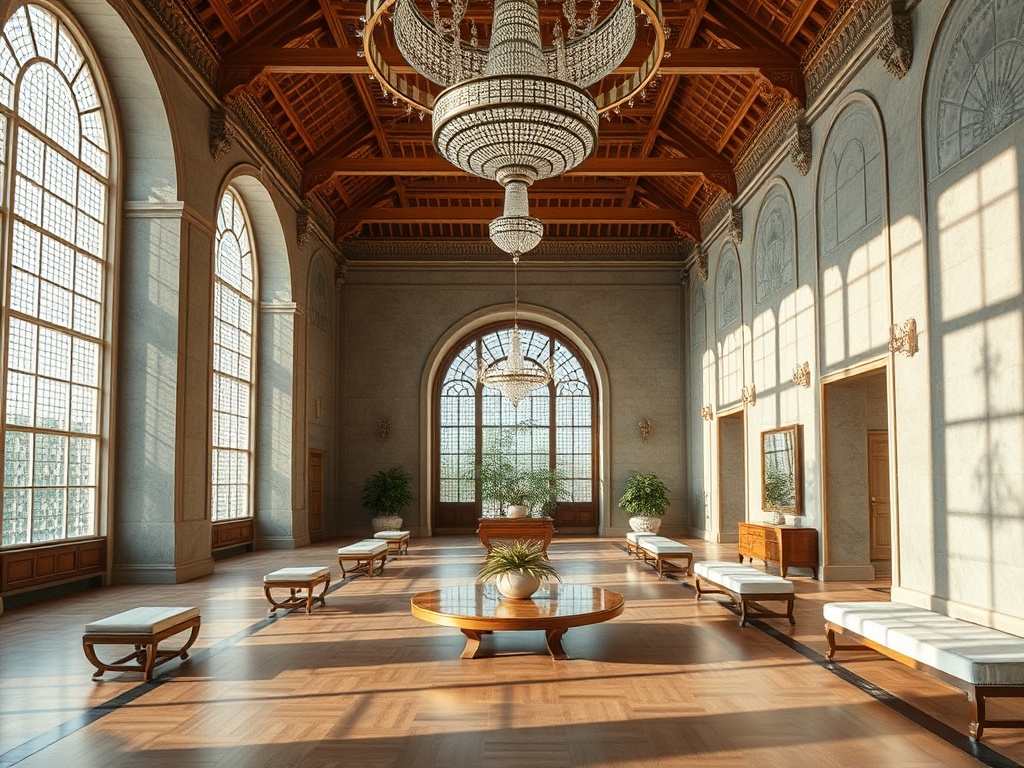
A Fusion of East and West
Step inside the Brighton Pavilion and you’re instantly transported into a world where exotic dreams and regal grandeur intertwine. At first glance, the Pavilion’s interiors appear to be plucked straight from a Maharaja’s palace—but this is no accident. The building’s remarkable design is a deliberate blend of Indian, Chinese, and Regency styles, crafted to astonish and delight visitors.
Commissioned by the flamboyant Prince Regent—later King George IV—the Pavilion was intended as a seaside retreat unlike any other. He envisioned a space that would reflect his love for the arts, travel, and ostentatious beauty.
The Genius Behind the Grandeur
While architect John Nash gave the Pavilion its iconic onion domes and minarets, it was the interior decorator Frederick Crace who brought the inside to life. Crace, along with Robert Jones, created a visual spectacle that rivaled the finest royal residences of Europe.
The design philosophy was simple: no detail should be spared. Every ceiling, wall, and corridor was to be a canvas of opulence. The result? A series of rooms that continue to dazzle even centuries later.
Highlights of the Interior Design
The Banqueting Room
Arguably the Pavilion’s crown jewel, the Banqueting Room is a feast for the eyes. A massive crystal chandelier—shaped like a lotus flower and suspended from a silver dragon—commands attention from the ceiling. The walls are adorned with hand-painted Chinese wallpapers featuring birds, trees, and flowers, creating a dreamlike atmosphere.
This room was designed to impress visiting dignitaries and royals, and it still does.
The Music Room
The Music Room is another masterpiece, with its gilded domed ceiling and nine lotus-shaped chandeliers. The acoustics were specially designed for live performances, and the space once echoed with the sounds of harpists and pianists playing for the royal court.
Hidden Details and Symbolism
Beyond the obvious splendor, the Pavilion’s interiors are filled with subtle details and symbolic motifs:
- Dragons and serpents appear frequently, symbolizing power and protection.
- Lotus flowers represent rebirth and divine beauty.
- Color symbolism is used extensively—reds for passion, golds for wealth, and greens for harmony.
These elements weren’t just decorative—they reflected the Prince Regent’s fascination with Eastern philosophies and aesthetics.
Restoration and Legacy
Over the years, the Pavilion suffered from neglect and wartime damage. However, extensive restoration efforts have brought the interiors back to their former glory. Today, visitors can admire painstakingly recreated wallpapers, restored furnishings, and the revival of original color schemes.
The Pavilion stands not just as a monument to royal extravagance, but as a testament to cultural fusion and artistic ambition.
Why It Still Captivates Today
What makes the Pavilion’s interiors so unforgettable is their ability to transport us. Each room tells a story—not just of a bygone era, but of a unique vision that dared to dream beyond the ordinary. For lovers of history, design, or simply beauty, the Brighton Pavilion remains an awe-inspiring destination.
Step inside, and let the walls speak.