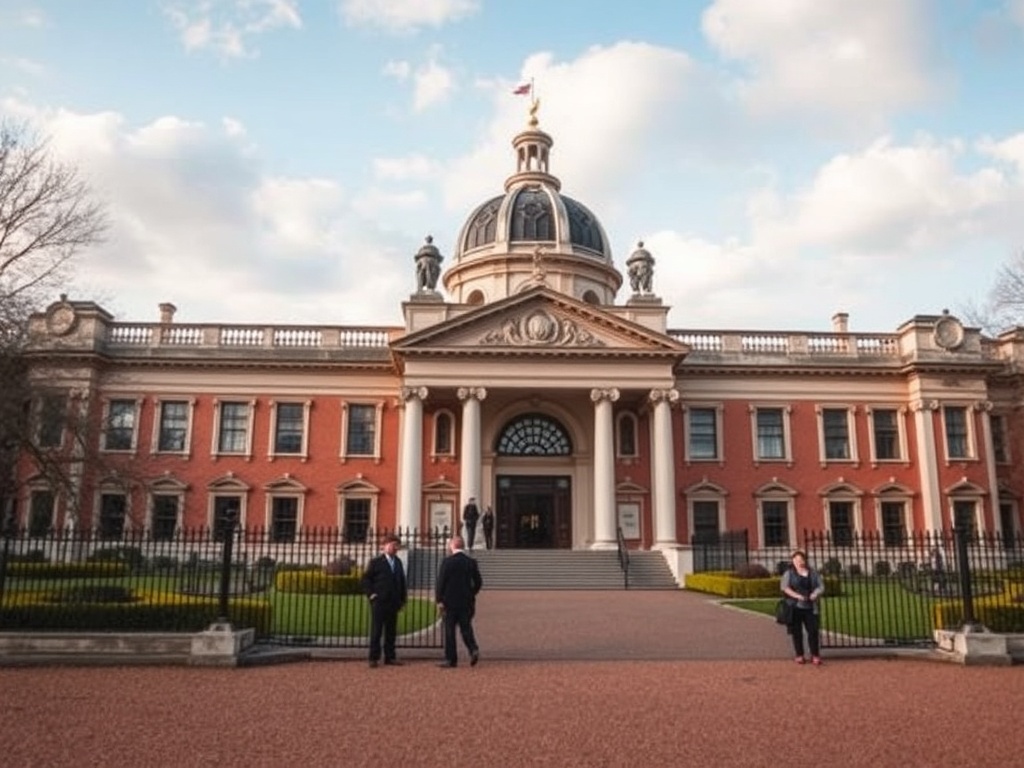
A Royal Palace Turned Refuge
Most visitors admire the Brighton Pavilion for its exotic architecture and regal elegance, but few know of the building’s unexpected transformation during wartime. Far from the grandeur of royal banquets and summer retreats, the Pavilion became a place of hope and healing during one of the darkest chapters of history.
World War I: A Hospital for Indian Soldiers
In 1914, as the First World War erupted across Europe, the British Empire mobilised troops from its colonies. Over a million Indian soldiers were sent to fight on the Western Front. When wounded, many of them were transported to England for treatment—and Brighton became one of the key destinations.
The Pavilion was rapidly transformed into a military hospital, specially prepared to accommodate Indian servicemen. The ornate halls and lavish rooms were filled with hospital beds and medical equipment, creating a striking contrast between imperial opulence and the grim realities of war.
Why Brighton Pavilion?
- Spacious interiors allowed for large numbers of patients.
- Royal patronage gave it symbolic significance.
- Efforts were made to respect the religious and cultural needs of the patients, including separate kitchens for Hindus and Muslims.
It was a rare example of cultural sensitivity during a time of global conflict .
Echoes of Empire and Sacrifice
Between December 1914 and February 1916, over 4,000 Indian soldiers received treatment in Brighton. The Pavilion wasn’t just a medical facility—it was part of a larger propaganda effort to show goodwill toward colonial troops. Still, for the men recovering there, the building was a place of both physical healing and emotional solace.
Special prayer rooms were established, and the Pavilion’s staff included interpreters and religious leaders. Many of the soldiers remembered their time in Brighton with a mix of gratitude and homesickness.
Legacy and Memory
After the Indian soldiers were transferred elsewhere, the Pavilion continued its wartime service, later housing British soldiers. Today, this chapter of its history is commemorated through exhibitions and historical research, but it remains a lesser-known facet of Brighton’s past.
Visitors may walk through its rooms without ever realising the personal battles and quiet heroism that once unfolded there. The Pavilion’s domes and minarets, inspired by Indian architecture, came full circle in hosting those who came from that very land to fight in a foreign war.
More Than Just a Palace
The Brighton Pavilion stands not only as a symbol of royal extravagance but also as a beacon of resilience and compassion during turbulent times. Its wartime role reminds us that even the most opulent places can serve a greater purpose in moments of need.
History often hides in plain sight. The next time you admire the Pavilion’s grandeur, remember the thousands who found comfort within its walls when the world was at war.