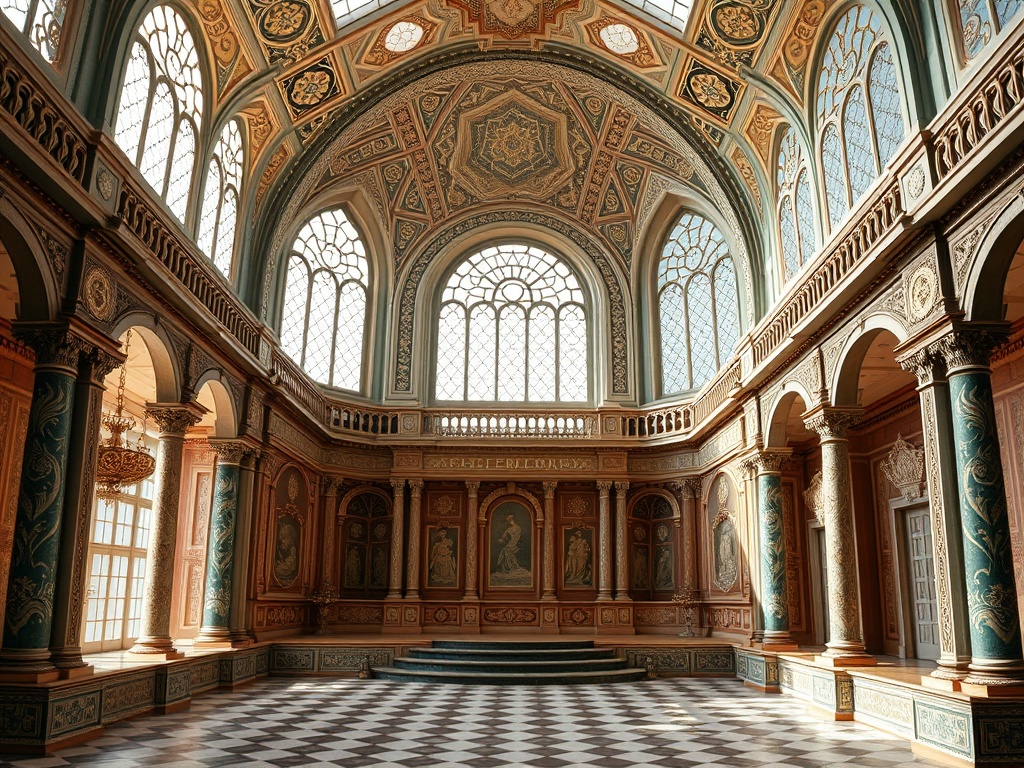
Step into a Dream of Oriental Fantasy
The Brighton Pavilion is more than just an architectural landmark — it is a bold statement of artistic freedom and cultural fascination. Originally built as a seaside retreat for King George IV, the Pavilion dazzles visitors with its rich fusion of Eastern and Western design philosophies. But what lies behind this architectural curiosity?
East Meets West: A Fusion of Styles
One of the most striking aspects of the Pavilion is its unique blend of Indian, Chinese, and European influences. Inspired by the Indo-Saracenic style, the building’s exterior is adorned with onion domes, minarets, and intricate latticework — elements rarely seen in British royal residences.
The interior tells a different story: an opulent fantasy of Chinese-inspired décor, complete with hand-painted wallpapers, carved dragons, and shimmering chandeliers shaped like lotus flowers.
The Role of John Nash
Much of the Pavilion’s distinctive flair can be attributed to the visionary architect John Nash, who transformed the original farmhouse into an exotic palace. His design was guided by a desire to reflect the Prince Regent’s extravagant tastes and fascination with the Orient.
Hidden Symbols and Meaning
Beyond its beauty, the Pavilion is rich with symbolic elements that reflect power, luxury, and imagination. Some notable motifs include:
- Dragons: Representing strength and imperial majesty in Chinese culture.
- Lotus flowers: A symbol of purity and spiritual awakening.
- Peacocks and tigers: Reflecting exoticism and royal grandeur.
These elements were not chosen at random — they were carefully integrated to create an immersive experience that transported visitors to a world far from England’s southern coast.
The Pavilion’s Role in Cultural Exchange
While the design might seem whimsical, it also marks a significant moment in cultural interaction. The Pavilion was built during a time when Britain’s global reach was expanding, and its architecture reflects a fascination — and sometimes romanticized view — of foreign cultures.
This makes the Pavilion a cultural artifact as much as an architectural one, capturing the complexities of empire, art, and identity.
A Living Piece of History
Today, the Brighton Pavilion stands as a testament to bold creativity and historical curiosity. Visitors are not just observing a building — they are stepping into a narrative crafted by artists, royals, and dreamers alike.
Whether you’re an architecture enthusiast, a history buff, or simply seeking inspiration, the Pavilion offers an unforgettable journey through time and imagination.