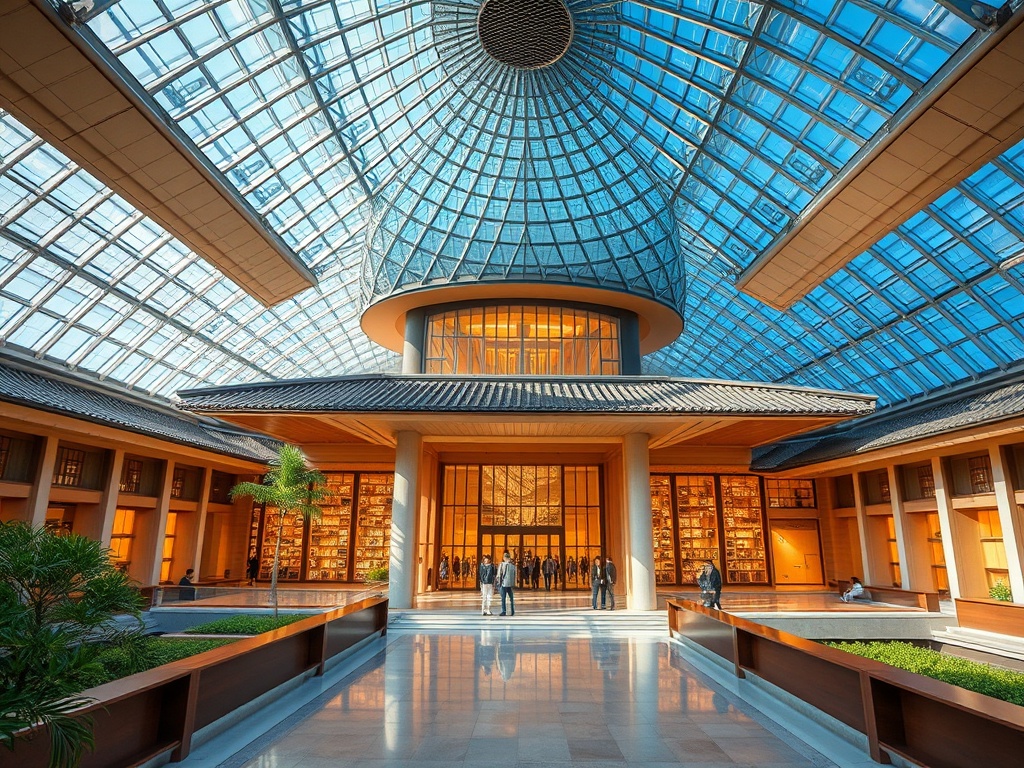
The Fusion of East and West
The Royal Pavilion in Brighton is more than just a palace—it’s an exotic fusion of architectural styles that tells a story of fascination, indulgence, and imagination. Designed by John Nash in the early 19th century, the Pavilion marries **Indian Mughal exteriors with lavish Chinese-inspired interiors**, creating a visual spectacle unlike any other in Britain.
Inside the Banqueting Room
Step into the Banqueting Room and you’ll be struck by its sheer opulence. Dominated by a dazzling central chandelier suspended from a silvered dragon, this room was built to impress. The chandelier alone weighs over one ton and sparkles with hundreds of crystals, casting magical reflections across the room.
Key features include:
- Hand-painted Chinese wallpaper adorned with birds, flowers, and scenes of daily life
- Gilded palm tree columns that support the ceiling
- Rich red and gold color palette enhancing the sense of royal luxury
This room was designed for entertaining on a grand scale, reflecting the extravagant lifestyle of George IV.
The Music Room: A Harmony of Design and Sound
Often considered the most breathtaking chamber in the Pavilion, the Music Room is a masterpiece of acoustics and aesthetics. With its domed ceiling, lotus-shaped chandeliers, and golden dragons soaring above, the room envelops visitors in a world of fantasy and drama.
The walls are covered with rich red silk panels, and the ceiling is a marvel of engineering with its intricate plasterwork and golden stars. This space was carefully crafted to enhance both musical performances and visual grandeur.
The Long Gallery: A Passage Through Elegance
Connecting the major rooms of the Pavilion, the Long Gallery is far from a simple hallway. With **bamboo-inspired columns**, painted trellises, and delicate floral motifs, it offers a serene contrast to the more ostentatious rooms. It was designed to give guests a visual break while still maintaining a high level of artistic detail.
Visitors often overlook the gallery, but its subtle charm lies in:
- Its naturalistic design elements, echoing outdoor gardens
- The interplay of light and shadow through carefully placed windows
- Its role as a transition between the dramatic and the tranquil
Hidden Details and Symbolism
Beyond the obvious splendor, the Pavilion is filled with **clever symbols and hidden meanings**. From dragon motifs representing power to lotus flowers symbolizing purity, every element has a purpose. The design choices reflect not only aesthetic preferences but also political messages and personal tastes of the monarchy.
Explore closely, and you’ll notice:
- Repeated use of exotic animals like elephants and peacocks
- Pagoda-like structures and domes hinting at distant lands
- Artistic illusions that give flat surfaces a three-dimensional feel
A Living Testimony to Royal Extravagance
The Brighton Pavilion is not just an architectural marvel—it’s a theatrical statement, a canvas of global inspiration, and a testament to the ambition of a king. Walking through its halls is like stepping into a dream painted with history, craftsmanship, and imagination.
Each room tells a story, not just of architectural prowess, but of cultural curiosity and artistic daring. It remains one of the most unique and awe-inspiring buildings in the United Kingdom.