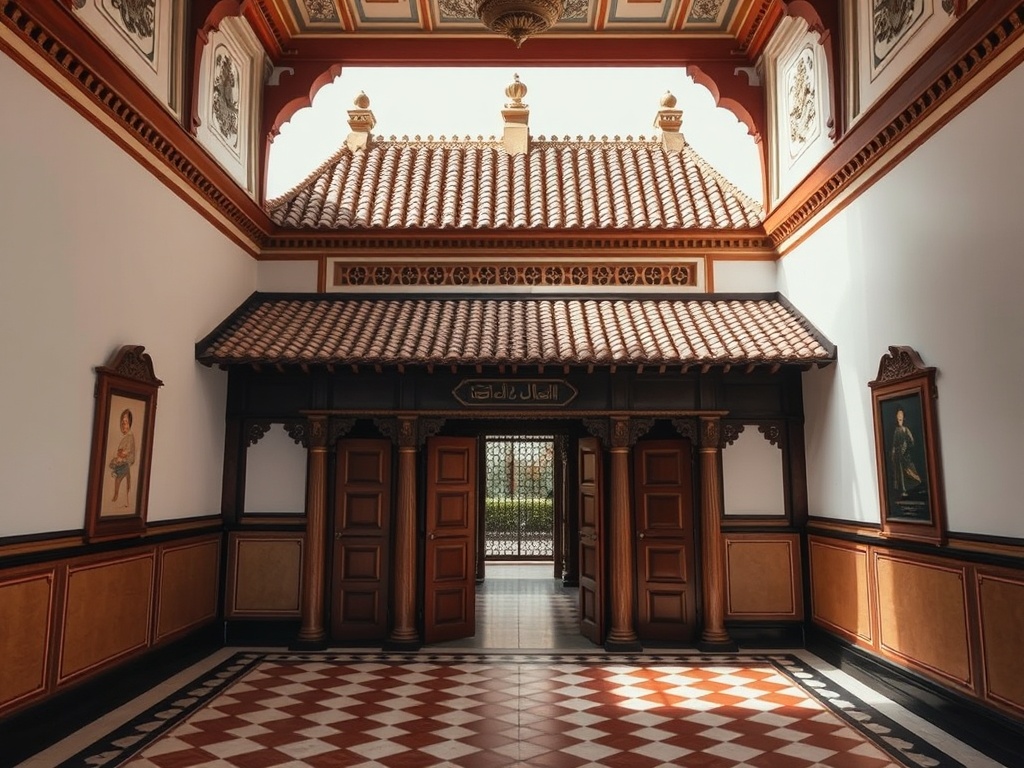
The Pavilion’s Secret World Beneath the Surface
While the Royal Pavilion dazzles with its Indo-Saracenic domes and opulent interiors, few visitors realize that this iconic palace hides a labyrinth of secret corners and forgotten passageways. Beneath the surface of this architectural wonder lies a world of intrigue, designed not just for beauty, but for discretion, efficiency, and even royal mischief.
The Hidden Tunnels of Royal Intrigue
One of the most captivating secrets of the Pavilion is the existence of hidden underground tunnels. These passageways once connected the Pavilion to nearby buildings, allowing royal guests — and George IV himself — to move between residences without being seen by the public or the press.
These tunnels served several purposes:
- Concealing the comings and goings of the king’s private life
- Providing servants with routes to navigate the estate unseen
- Creating a logistical backbone for hosting secretive events and lavish soirées
Though many of these tunnels are now sealed or inaccessible, their existence adds a layer of mystery to the Pavilion’s already fantastical charm.
Whispers Behind the Walls: Secret Rooms and Hidden Doors
Wander the halls of the Pavilion and you may notice ornate panels or oddly placed mirrors — many of which were designed to hide concealed doors and private spaces. These features were part of the original plans, allowing members of the royal household to appear or vanish with theatrical flair.
Some of the most fascinating hidden spaces include:
- A disguised servant’s staircase tucked behind an elaborately painted wall
- Private dressing rooms accessible only through concealed panels
- Observation nooks used by staff to monitor royal functions discreetly
Each hidden element reflects the Pavilion’s dual purpose: a stage for royal grandeur and a machine for seamless, invisible service.
Echoes of the Past in Forgotten Corners
As you explore the Pavilion, take a moment to notice the less-traveled areas — the quiet corners, the shadowed alcoves. These spaces, often overlooked, tell stories of intimate moments and private lives.
In one forgotten hallway, faint traces of 19th-century wallpaper still cling to the plaster. In another, a narrow staircase winds upward to a now-unused servant’s quarters. Every detail, no matter how small, contributes to the building’s rich tapestry of history.
Why These Hidden Features Matter
Beyond their charm and mystery, these hidden corners and secret passages reveal much about the era and its values. They speak of a time when privacy was a luxury, when appearances mattered deeply, and when architecture was as much about function as it was spectacle.
Today, they offer a tantalizing glimpse into the lives of those who once moved through these spaces — kings, courtiers, and commoners alike — each with their own secrets, ambitions, and dreams.
Uncover the Magic for Yourself
Next time you visit, look beyond the gilded ceilings and grand halls. Let curiosity guide your steps. The Royal Pavilion is more than a masterpiece of design — it’s a living storybook, filled with hidden chapters waiting to be discovered.