One town, more than one afternoon
The Royal Pavilion takes most people between an hour and ninety minutes. That leaves a great deal of a day unaccounted for, and Brighton rewards the surplus. It is a compact town where the sea, a historic street pattern, a cluster of small museums and the edge of a national park all sit within a few miles of each other. The difficulty is not finding things to do but choosing among them without spending the day walking back and forth.
What follows is organised geographically rather than by ranking, so that you can assemble a route that flows in one direction instead of criss-crossing the town. Everything mentioned is within reach on foot or with one short bus ride from the Pavilion.
The seafront and the piers
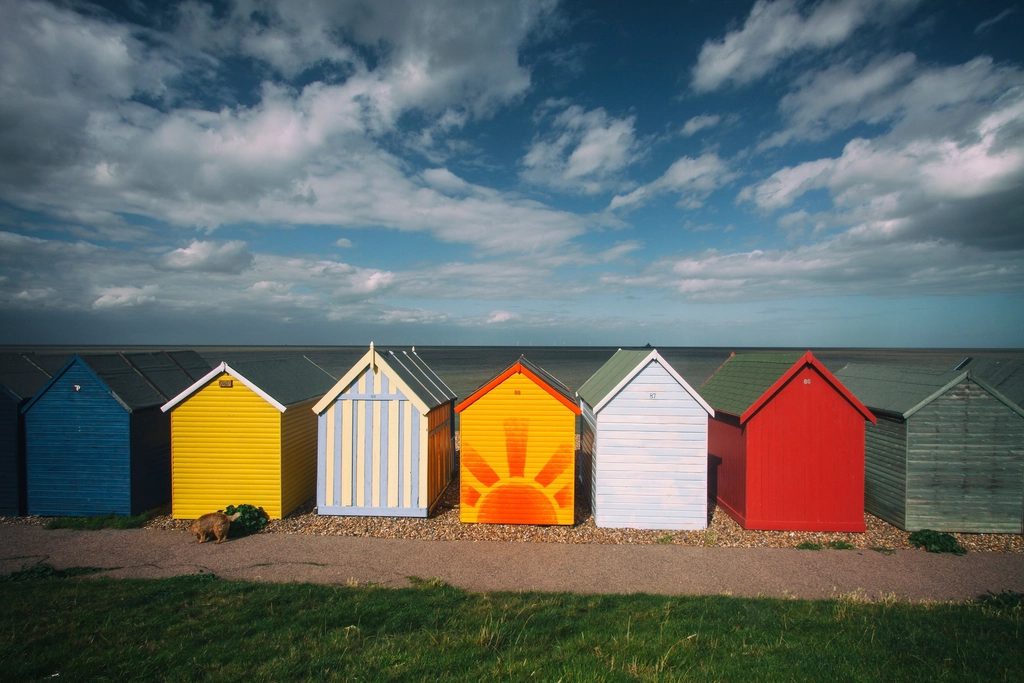
Brighton beach is shingle, not sand. This surprises visitors more often than it should. The stones are steep near the water, hard on bare feet, and pleasantly warm to sit on; the sand appears only at very low tide and mostly further west towards Hove. Wooden groynes divide the beach into bays and are useful landmarks for finding your way back to a spot.
Two piers define the front, though only one still stands. The surviving pleasure pier at the foot of the Old Steine opened at the end of the nineteenth century and remains free to enter, with paid amusements along it. Further west, the skeletal ironwork rising out of the water is what remains of an earlier pier, opened in the 1860s, closed in the 1970s and destroyed by storms and fire in the early 2000s. It is now one of the most photographed ruins in southern England, particularly at dusk when starlings gather over it in autumn and winter.
The lower promenade beneath the main road runs for miles and is the pleasantest walking route in the town. Its Victorian arches now hold small workshops, galleries and refreshment kiosks. The tall observation tower on the western seafront has had a chequered commercial history, so if riding it is part of your plan, confirm that it is operating before you build a day around it.
East along the shore
Heading east from the pier, the seafront becomes quieter and more interesting to anyone who likes infrastructure with a history.
- The electric railway. A narrow gauge electric line has run along the eastern beach since 1883 and is generally described as the oldest operating electric railway in the world. It runs seasonally, at a stately pace, from near the pier towards the marina.
- Madeira Terrace. The long cast iron Victorian arcade against the cliff is a remarkable structure in poor condition; large sections have been fenced off pending restoration, so expect diversions.
- The marina. A large 1970s development at the eastern end, more useful for boats, cinema and parking than for charm, but the breakwater walk is bracing.
- The undercliff walk. From the marina a paved path continues at the base of the chalk cliffs for several miles towards Rottingdean and Saltdean. It is flat, wide, entirely traffic free and one of the best coastal walks in Sussex. Check tide and closure notices, as it can be washed over in rough weather.
The Lanes and North Laine
These two shopping districts are the town’s other great draw, and they are next to each other without being remotely alike.
The Lanes
These two districts are constantly confused, and they are not the same place. The Lanes, immediately south west of the Pavilion, are the alleys of the old fishing town: narrow, twisting, largely given over to jewellers, antiques and small bars. Walking them without a destination is the point.
North Laine
North Laine, north of Church Street and running up towards the station, follows the lines of vanished agricultural strips and has a completely different character — brighter, scruffier, dense with independent record shops, vintage clothing, comic and book dealers, coffee places and a small covered market. If your idea of a good afternoon involves browsing rather than ticking off monuments, budget two hours here rather than thirty minutes.
Museums beyond the Pavilion
Brighton has an unusual number of small, specialised museums for a town its size, and several are within a short walk of the centre.
- The natural history museum in the Dyke Road area. A Victorian collection of British birds displayed in period dioramas, alongside skeletons and butterflies, unchanged in atmosphere and free to enter at the time of writing.
- A toy and model collection under the station. Housed in railway arches beneath the platforms, it is small, dense and particularly good on model railways and pre-war toys.
- A contemporary art space in a former Regency church. Near the western end of the Lanes, it runs a small number of ambitious installations each year, so check whether an exhibition is open before making the trip.
- Preston Manor. An Edwardian house on the northern edge of town, presented as an upstairs and downstairs interior, reached in fifteen minutes by bus. It opens seasonally and on limited days.
- The Hove museum. Reopened after a major redisplay, covering local history, film history and craft, and an easy addition to a Hove walk.
Opening patterns for the smaller sites are genuinely variable, with several closing on one or two weekdays and reducing hours in winter. Verify current times and any admission charges before setting out.
Parks, gardens and views
The Pavilion garden is the obvious green space in the centre, but there are better ones for sitting still.
Queen’s Park, a ten minute walk uphill east of the Pavilion, is a Regency-era pleasure ground with a pond, a wooded slope and long views back over the town. Preston Park, to the north, is the largest, with a walled rock garden across the road that is quietly one of the finest things in Brighton and almost always empty. St Ann’s Well Gardens in Hove is smaller, shadier and the closest thing to a neighbourhood park in the western half of town.
For a bigger view, the South Downs National Park begins immediately at the northern edge of the built-up area. Devil’s Dyke, a dramatic dry valley on the escarpment with views across the Weald, is reachable by a seasonal bus from the centre in around half an hour, or on foot from the northern suburbs for those with a full day and stout shoes.
Two ways to shape a day
If you would rather not assemble your own route, either of these works without rushing.
- The town day. Pavilion in the morning, museum next door, lunch in the Lanes, an hour in North Laine, then the seafront and the pier in the late afternoon, finishing with the ruined pier at sunset.
- The coast day. Pavilion first thing, then straight to the seafront, the electric railway east to the marina, the undercliff walk as far as your legs allow, bus back into town, and the Lanes in the evening.
Practical notes
A few local realities are worth knowing before you arrive.
- The wind is the weather. Brighton is frequently colder on the front than a hundred metres inland. Bring a layer more than the forecast suggests, whatever the season.
- Shingle needs footwear. Swimming from the beach is popular and the water quality is generally monitored and posted, but shoes for getting in and out make a real difference, as does checking any current water quality notices.
- Dog restrictions are seasonal. Parts of the central beach exclude dogs during the summer months while other stretches remain open all year; the signage at each beach entrance is the authority.
- Hills are real. The town rises steeply north of the seafront. Routes that look short on a map can be strenuous, which matters when planning with children or with limited mobility.
- Busy days are very busy. A hot summer Saturday, a festival weekend in May or a Pride weekend in August transform the town. Plan indoor attractions for the morning and expect queues everywhere later.
Finally, treat every opening time, price and seasonal service mentioned here as something to confirm. Small independent museums, seasonal railways and clifftop bus routes all change their schedules more often than a guide can track, and a two minute check before leaving your accommodation saves a wasted walk.