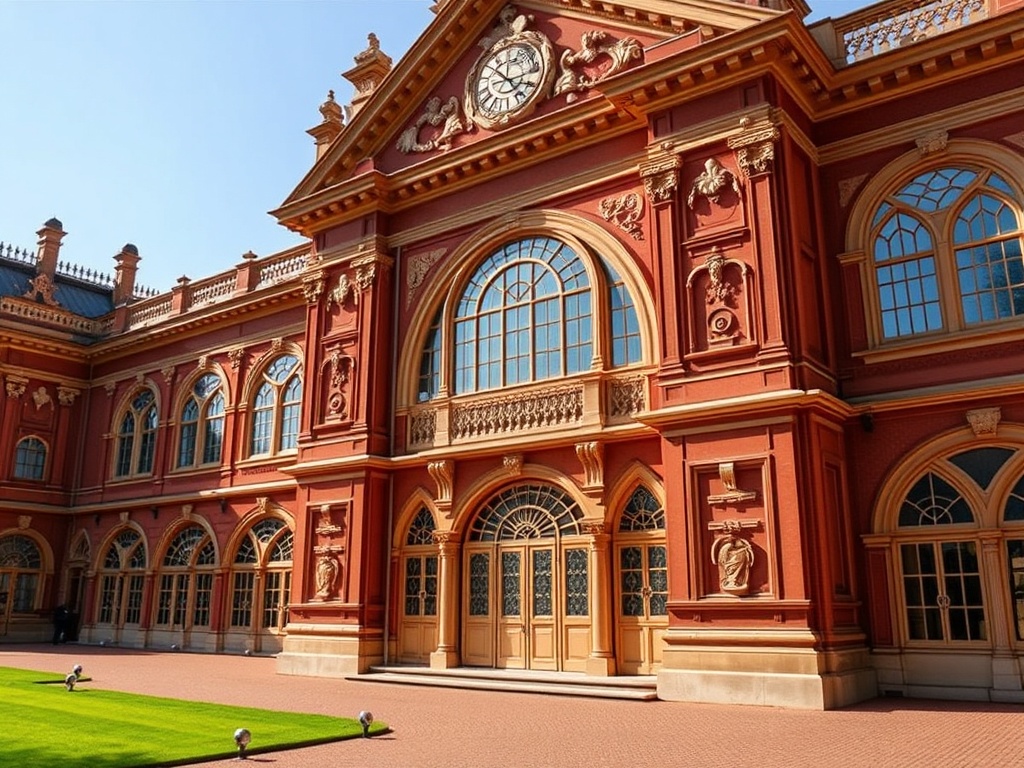
Unveiling the Hidden Stories of a Regal Wonderland
The Brighton Pavilion is more than a dazzling example of Regency architecture — it’s a treasure trove of forgotten tales and curious secrets. Behind its onion domes and exotic interiors lies a world of eccentric royals, lavish parties, and whispered legends that shaped its legacy.
Royal Eccentricities: George IV’s Exotic Obsession
Commissioned by the extravagant Prince Regent, later King George IV, the pavilion was a bold statement of his love for the **Oriental aesthetic and opulent living**. Unlike traditional British palaces, this one drew inspiration from Indian and Chinese styles, creating a fantasy escape by the sea.
- George IV insisted on installing a **mechanical table** that could rise from the kitchen below — so he could dine without servants watching him eat.
- The palace once featured a **monkeys’ enclosure** in the gardens, reflecting the prince’s flair for the unusual.
The Hidden Underground Tunnel
One of the most intriguing features is a **secret underground passage** that connects the Pavilion to the nearby stables, now known as the Dome. This tunnel allowed George IV to **avoid public scrutiny** as he moved discreetly between buildings — often to escape the eyes of critics or to indulge in private affairs.
Echoes of the Empire: A World War I Hospital
During the First World War, the Pavilion took on a dramatically different role. It was converted into a military hospital for wounded Indian soldiers serving the British Empire. The lavish music room became a ward, and the minarets witnessed a time of healing instead of celebration.
- Over **4,000 Indian troops** were treated here between 1914 and 1916.
- Special religious spaces and dietary accommodations were made, respecting cultural practices — a rare gesture at the time.
Ghostly Whispers and Local Legends
Some say the Pavilion is home to more than just history. Over the years, **staff and visitors have reported strange occurrences**, from flickering lights to mysterious footsteps in empty corridors. Whether it’s the spirit of a disgruntled royal or echoes of its wartime past, the Pavilion keeps its secrets close.
Little-Known Details That Will Surprise You
- The chandelier in the Banqueting Room weighs over a **ton** and is held up by a single chain.
- Queen Victoria disliked the Pavilion’s extravagance — she sold it in 1850, preferring Osborne House on the Isle of Wight.
- The Pavilion was **almost demolished** in the 1850s before being bought by the town of Brighton.
Conclusion: A Living Monument of Stories
Today, the Brighton Pavilion stands not only as an architectural marvel but also as a **living monument to centuries of change, culture, and curiosity**. Every room, every corner holds a story — and many more are still waiting to be uncovered by those who take the time to look closer.