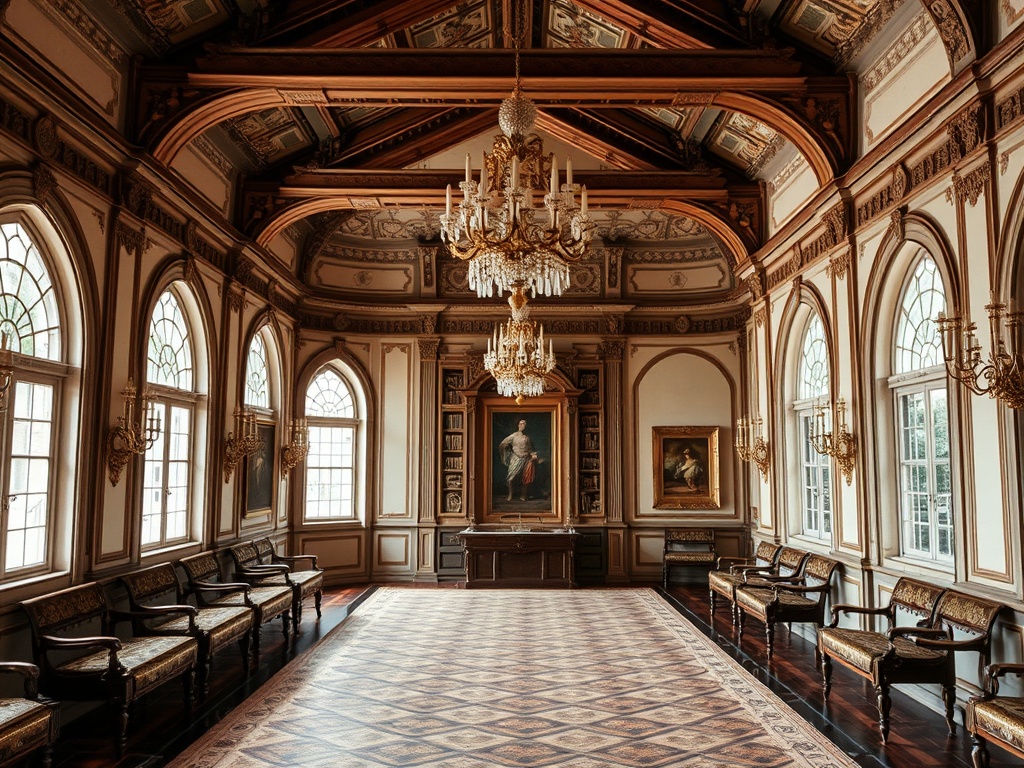
The Royal Touch: Kings, Princes, and Grand Parties
The Royal Pavilion in Brighton has long been associated with regal splendor and extravagant tastes. Designed as a seaside retreat for George, Prince of Wales—who later became King George IV—this architectural masterpiece quickly became a playground for the elite. Lavish banquets, grand balls, and private soirées turned the Pavilion into a social hotspot of the Regency era.
George IV was not the only royal to grace these opulent halls. His brother, the Duke of York, and even Queen Victoria spent time within the Pavilion’s exotic walls. However, Queen Victoria found the location a bit too public for the royal family’s liking and eventually sold the estate to the town of Brighton.
Unusual Guests That Stirred Curiosity
Beyond its royal visitors, the Pavilion welcomed an array of unexpected and unusual guests throughout its colorful history. These included artists, foreign dignitaries, and even circus performers who were invited for private entertainments. During the First World War, the Pavilion played an entirely different role—it was converted into a hospital for wounded Indian soldiers.
The presence of these soldiers introduced an entirely new cultural dimension to the Pavilion. Their traditional clothing and spiritual practices brought an exotic energy that mirrored the structure’s Indo-Saracenic design. It was a paradox: a royal palace turned wartime sanctuary, blending care, culture, and history.
Little-Known Stories That Paint a Different Picture
Some of the most intriguing stories from the Pavilion come not from kings or queens, but from the shadows of history. Among them:
- The mysterious Maharaja who reportedly refused Western medicine but accepted the hospitality of the Pavilion during WWI.
- A famous opera singer who once performed an impromptu aria in the Music Room, stunning the royal court.
- A traveling illusionist who entertained Prince George with sleight-of-hand tricks and mesmerism.
These anecdotes, though not always documented in official records, have been passed down through local tales and private journals, adding layers of intrigue to the Pavilion’s storied past.
Behind the Curtains: Servants, Spies, and Scandals
While royalty dazzled in the spotlight, the Pavilion’s backstage was equally fascinating. Servants and staff often bore witness to secret meetings and whispered romances. Rumors persist of foreign spies mingling among guests during the Napoleonic wars, using the Pavilion’s gatherings as cover for intelligence work.
There were also whispers of scandal—hidden affairs, debts disguised by royal privilege, and midnight escapades that the walls of the Pavilion silently kept. These stories, though speculative, reflect the complexity of life behind royal opulence.
A Living Monument to Eccentric Grandeur
Today, the Royal Pavilion stands not just as an architectural marvel but as a living tapestry of stories, secrets, and sensations. From royal residents to wartime healers and curious performers, each visitor left a mark—some recorded in history books, others only in whispers.
Exploring its rooms is like peeling back layers of time, revealing a space where the boundaries between the regal and the bizarre gracefully blur. And that’s what makes the Brighton Pavilion so endlessly captivating.