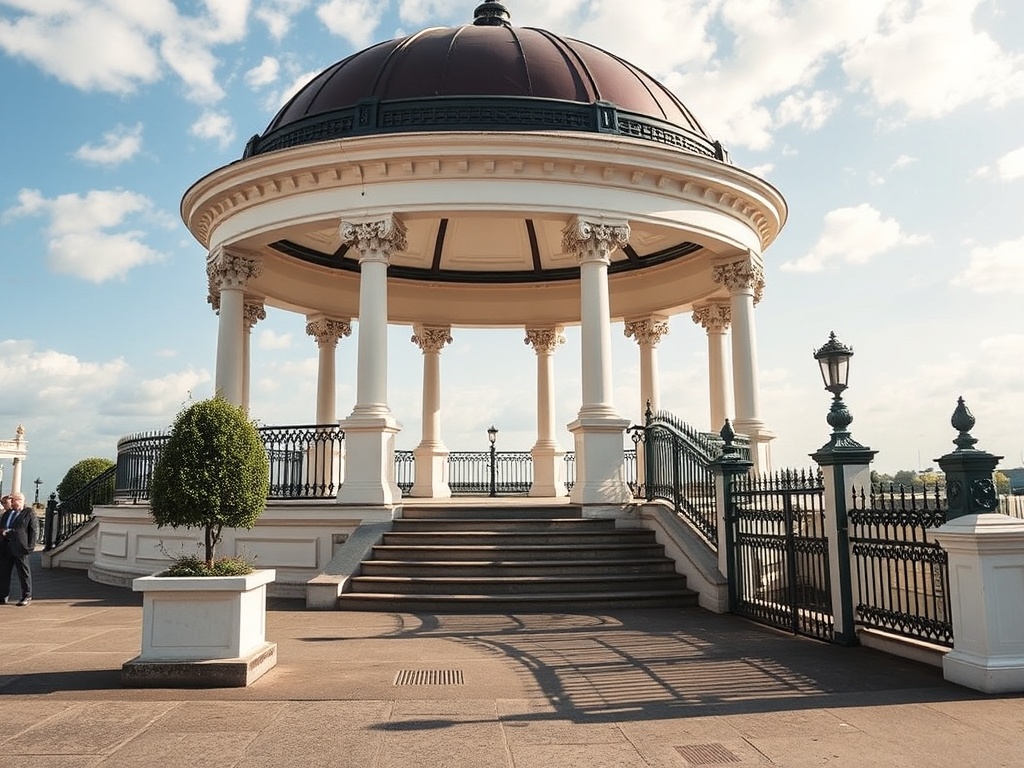
From Royal Retreat to Cultural Gem
Originally conceived as a modest seaside retreat, the Brighton Pavilion has undergone a spectacular transformation over the centuries. Its story begins in the late 18th century, when the Prince of Wales—later King George IV—sought a coastal escape from the formalities of London life. What started as a simple lodging evolved into an exotic palace of Indo-Saracenic design, blending Eastern opulence with British grandeur.
The Vision of George IV
George IV was known for his extravagant tastes and love of art and architecture. Under his direction, the Pavilion was transformed into a masterpiece, thanks in large part to architect John Nash. The result? A stunning fusion of Mughal and Chinese influences, complete with onion domes, minarets, and intricate interiors that still dazzle visitors today.
Key Elements of the Transformation:
- Indian-inspired domes that echo the Taj Mahal
- Chinoiserie interiors with dragon motifs and silk wall coverings
- Lavish banquet halls and music rooms designed for grand royal events
Victorian Changes and Military Use
Following George IV’s death, the Pavilion saw a shift in purpose. Queen Victoria, less enchanted by its flamboyance, used it sparingly and eventually sold it to the city of Brighton in 1850. During World War I, the Pavilion found new life as a military hospital for Indian soldiers, a lesser-known chapter that reveals its evolving role in society.
This period marked a significant change—from royal luxury to civic utility—showing how the Pavilion adapted with time, never losing its cultural relevance.
Restoration and Rediscovery
Throughout the 20th century, extensive restoration efforts revived the Pavilion’s forgotten splendor. Historical records, paintings, and even original furniture were used to painstakingly restore rooms to their former glory. Today, visitors can walk through the same halls once graced by monarchs, musicians, and military heroes alike.
Fascinating Anecdotes from the Past:
- Whispers of secret tunnels connecting the Pavilion to nearby buildings
- Royal feasts that lasted for hours, with menus featuring over 100 dishes
- The mysterious disappearance of some original furnishings during wartime
A Living Monument to Culture
More than just a historic building, the Brighton Pavilion is a living monument to creativity, resilience, and transformation. Today, it hosts exhibitions, performances, and celebrations that connect the city’s vibrant present with its rich past.
To walk through the Pavilion is to step into a story—a tale of ambition, reinvention, and enduring beauty. From royal fantasy to public marvel, its journey through the ages continues to captivate all who enter.